
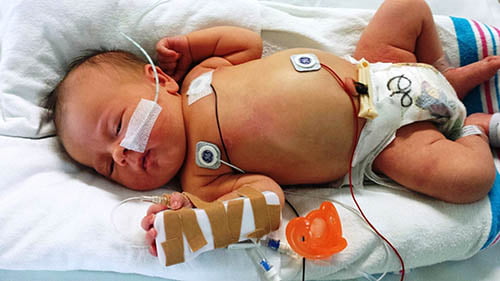
This list of terms is not exhaustive, but are commonly used in expert witness reports, letters of claim, letters of response, and medical notes. Not included are conditions of pregnancy and birth, which are unlikely to relate to negligence and birth injury.
Medical Terms – Post Delivery
When you are reviewing your medical notes, or trying to make sense of the expert witness reports, there are a lot of medical words you may not be familiar with.
Therefore, I have put together a summary of some of the words you may see, and a brief explanation of their meaning.
This section deals with post delivery labour and the others with pregnancy, and labour.
This section deals only with terms/words likely to be used with regard to negligence and are not extensive regarding the entirety of pregnancy. To add these would make the list too long.
These explanations are intended to help you understand terminology you may encounter in your records and reports. They are not intended to diagnose your child or establish the cause or timing of an injury. Your child’s medical team and legal experts will interpret the findings in the context of the complete evidence.
Acidotic
A term used when the blood is more acidic than normal. Blood gas analysis measures pH and other values and can provide important information about a baby’s condition around the time of birth. A low pH can indicate acidosis, but pH alone cannot establish how long a baby may have been deprived of oxygen.
Apgar score
A system of evaluating the condition of the baby at birth. More information below…
Arterial blood gases/venous blood gases (ABG/VBG)
A means of measuring the baby’s blood for levels of oxygen and PH (how acid or alkaline it is) Other components are also measured.
Asphyxia (acute and chronic)/Hypoxia
Hypoxia means reduced oxygen availability to the body’s tissues. Asphyxia describes a more severe interruption of oxygen supply and/or blood flow, which can result in inadequate oxygen and increased carbon dioxide. In birth injury cases, these terms may be used when considering whether a baby experienced an episode of impaired oxygenation around the time of birth.
Basal ganglia
The area of the brain that controls smooth movement and motor control among other functions. It is deep in the brain. Certain patterns of hypoxic-ischaemic brain injury can particularly affect the basal ganglia and is the area that will initially be affected by an acute loss of oxygen. NHS material supports the connection between basal-ganglia injury and dystonic movement patterns although less severe injury may have fewer affects.
Brachial plexus injury/ brachial palsy
An injury to the group of nerves that supplies the arms and hands often associated with shoulder dystocia or a difficult birth of a large baby
Cerebral bleed
Some bleeding inside the skull and in areas on and around the brain. There can be many different causes.
Cerebral palsy
An umbrella term describing a group of lifelong conditions affecting movement and coordination. It results from a problem with the developing brain, which may involve abnormal brain development or damage to the brain before, during or soon after birth. The type and severity of cerebral palsy depend on the nature and location of the underlying brain problem.
Diplegic
A pattern in which two limbs are predominantly affected, most commonly with the legs more affected than the arms. More common with prematurity but can have other causes.
Dystonia
An abnormal movement pattern that makes it very difficult to perform smooth, accurate movements. It can be very disabling and is a feature of HIE and basal ganglia damage in many cases. A movement disorder involving involuntary muscle contractions, which can cause twisting movements or abnormal postures. Dystonia can occur in some forms of cerebral palsy, particularly dyskinetic cerebral palsy.
Facial nerve injury
Can be caused by pressure on the baby’s face during a poor instrumental delivery.
Fracture of the clavicle or collarbone
Such injuries can be caused by a large baby, small pelvis, difficult or poorly managed birth.
Group Strep B (GSB) infection
An infection by a bacteria that can be passed on to the baby if it is born by the vaginal route. The bacteria lives harmlessly in a large number of the population, but can affect the newborn, causing a severe infection/sepsis. There are warning signs of infection which a competent midwife or doctor should recognise.
Hypoglycaemia
A condition of the newborn which must be checked for and treated. Untreated and severe, hypoglycaemia can cause brain damage.
Hypoxic
Deprived of oxygen from various causes.
Hypoxic ischemic encephalopathy (HIE)
A type of brain injury caused by insufficient oxygen and/or blood flow reaching the brain. It can occur around the time of birth and can vary from mild to severe. In eligible babies with moderate or severe HIE, therapeutic cooling may be used to reduce the extent of brain injury
More information below…
Hemiplegia
Weakness or impairment affecting one side of the body. In children it can occur as a result of damage to one side of the developing brain, including from stroke or other forms of brain injury
Hypothermic treatment (cooling)
Controlled cooling of a newborn baby’s body temperature, used in eligible babies with moderate or severe HIE. The aim is to reduce further brain injury following the initial lack of oxygen and/or blood flow.
An artificial lowering of the body and head temperature, in an attempt to slow down the cumulative effect of the brain injury on the rest of the brain.
Hydrocephalus
A build up of fluid (cerebrospinal fluid) in the brain which, if left untreated, causes brain damage. There are several causes, one of which is HIE and brain injury following a traumatic birth.
A VP Shunt is inserted which drains off the excess fluid in most cases.
Hypotonia
Reduced muscle tone, sometimes described as being “floppy”. A baby with hypotonia may have reduced resistance when their limbs are moved and may appear less able to maintain posture.
Intubated
The baby has a breathing tube inserted to assist with breathing and is then placed on a mechanical ventilator.
Kernicterus, infant jaundice
Newborn jaundice is very common and is usually harmless, but very high levels of unconjugated bilirubin can cross into the brain and cause acute bilirubin encephalopathy. Severe or untreated bilirubin toxicity can result in permanent neurological injury known as kernicterus. Careful monitoring and appropriate treatment of significant jaundice are therefore important.
Magnetic resonance imaging (MRI)
Is a scan that uses strong magnetic fields and radio waves to produce detailed images of the inside of the body, especially of the brain in birth injury cases. MRI is particularly useful in birth injury cases because the pattern and location of abnormalities can help experts assess the type and likely timing of a brain injury. However, MRI cannot always establish exactly when an injury occurred, and its findings need to be considered alongside the clinical history, blood gases and other evidence. An expert radiologist will be able to make a determination on when the injury likely occurred using knowledge and research.
There are different types of imaging available and some especially suitable for birth injuries. They may detect injuries not seen on a standard MRI, especially injuries that account for less obvious issues, such as behavioural and hearing issues.
| Diffusion-weighted imaging (DWI) | DWI is particularly useful for detecting early changes associated with acute brain injury. However, the timing and visibility of these changes vary. |
| Diffusion tensor imaging (DTI) | DTI is related to DWI but is a distinct technique. It characterises the directionality of water diffusion in tissue and is used mainly in specialised clinical and research settings. It should not be presented as a routine way to establish the timing of an injury. |
| Susceptibility-weighted imaging (SWI) | This technique can help identify blood products, including small haemorrhages, and certain abnormalities involving blood vessels. It does not simply rule out blood clots or vascular damage. |
| Magnetic resonance spectroscopy (MRS) | MRS measures certain brain chemicals and can provide information about brain metabolism. Its role in assessing the severity and prognosis of neonatal brain injury depends on the clinical circumstances and the findings obtained. |
Timing is critical for neonatal brain scans. 3-5 days after birth to coincide with finishing cooling, or 10 to 14 days of life is ideal. MRI’s done later in life will show where the injury occurred via scarring, loss of tissue etc. It is more difficult to pinpoint timings so reliance is also made on birthing notes.
Maternal hypertension/hypotension
Poorly controlled high blood pressure (hypertension) or low blood pressure (hypotension) with a failure to monitor blood pressure or failure to treat, can have serious effects on the mother and the baby.
Meconium aspiration syndrome
Meconium is dark green faecal matter found in the intestines of a fetus. Around the time of birth the baby can become distressed and pass this meconium into the amniotic fluid or around itself and inhale the meconium. This can cause severe illness post delivery and needs careful treatment and monitoring. There are signs a competent midwife or doctor should recognise.
Neonatal stroke
Strokes caused by blood clots or bleeds into the brain, can cause damage to one side of the brain resulting in hemiplegia (weakness on one side of the body). They can occur naturally or be a result of negligence.
Periventricular leukomalacia (PVL)
A condition of the brain tissue near the ventricles. This damage most often occurs with prematurity but there can be other causes
Quadriplegic
Having all four limbs affected.
Resuscitation
Use of various means to resuscitate the baby. It can be mechanical ventilation on a breathing machine, fluid, and cardiac massage, to restart or maintain the heart rate.
Sepsis
A serious condition in which the body’s response to an infection causes organ dysfunction. Newborn babies can deteriorate quickly, so suspected neonatal sepsis requires prompt assessment and treatment including antibiotics.
Seizures
Abnormal brain activity that causes the baby to have unusual movements, changes in behaviour or altered awareness. In a newborn, seizures can have a number of causes, including brain injury, stroke, infection and metabolic problems, and require medical assessment.
Skull fracture of the baby
Poor use of instruments can cause skull fractures of the baby.
Umbilical cord compression
Pressure on the umbilical cord which can reduce blood and oxygen flow between the baby and placenta. It can occur for several reasons, including the cord becoming compressed between the baby and the maternal pelvis. Cord compression may cause abnormalities in the fetal heart rate and, depending on the circumstances, may require urgent management.
Ultrasound Scan (USS)
A scan using sound waves to produce images of the baby’s brain. A cranial ultrasound can be performed through the baby’s fontanelle and can identify some abnormalities, including certain types of bleeding and changes to the brain. It is less detailed than MRI for many types of brain injury
Ventouse
A method of helping the baby exit the birth canal.


Source: NHS, NICE, RCOG